


Can you mix pills in the same container? Here's the science!
Can You Mix Pills in the Same Container? Here's the Science!
In the realm of healthcare and medication management, questions often arise about the safety and efficacy of storing different pills in the same container. This practice, often called "pill amalgamation," can be convenient but carries potential risks and scientific considerations that must be understood to maintain the integrity and effectiveness of medications.
The Science Behind Medication Storage
Chemical Stability of Medications
Each medication is formulated with specific chemical compounds that ensure its effectiveness in treating a condition. Mixing different pills in the same container can inadvertently lead to chemical reactions between their contents, potentially altering the drugs' effectiveness or safety profile. Ensuring chemical stability involves preserving each drug's unique composition, which might be compromised if pills are mixed.
Environmental Factors
Medications are sensitive to environmental factors such as light, humidity, and temperature. Different drugs may require distinct storage conditions, and combining them in one container can expose them to unsuitable environments. This exposure might accelerate degradation processes, affecting the drugs' potency and shelf life.
Physical and Chemical Interactions
Pills can interact physically and chemically when stored together. This interaction may manifest as discoloration, dissolution, or the pill coating wearing off. Such changes could make it challenging to identify each medication accurately, leading to potential dosing errors and reducing the drugs' overall effectiveness.
Pros and Cons of Mixing Pills
The Convenience Factor
There is no denying the convenience that comes with mixing pills in the same container. It can simplify the process of taking medications, especially for those managing complex regimens, by reducing the number of containers one needs to carry or store. This approach can also enhance adherence to medication schedules.
Risks of Cross-Contamination
One of the primary concerns of mixing medications in the same container is the risk of cross-contamination. Medications can pick up substances from each other, potentially transferring allergens or altering the intended dosage. Cross-contamination could result in unintended side effects or diminished therapeutic efficacy.
Decreased Medication Efficacy
Storing pills together may lead to reduced efficacy if interactions result in degradation or if medications lose their therapeutic properties due to unsuitable environmental exposure. Ensuring that medications remain effective requires strict adherence to recommended storage guidelines, which might be compromised when pills are mixed.
Best Practices for Safe Medication Storage
Follow Manufacturer Guidelines
Each medication comes with specific storage instructions, provided by the manufacturer, to maintain its integrity and efficacy. These guidelines are based on extensive research and are critical in preserving the drug's intended effects. It's vital to store medications as directed, and mixing pills in a single container often conflicts with these guidelines.
Utilize Individualized Containers
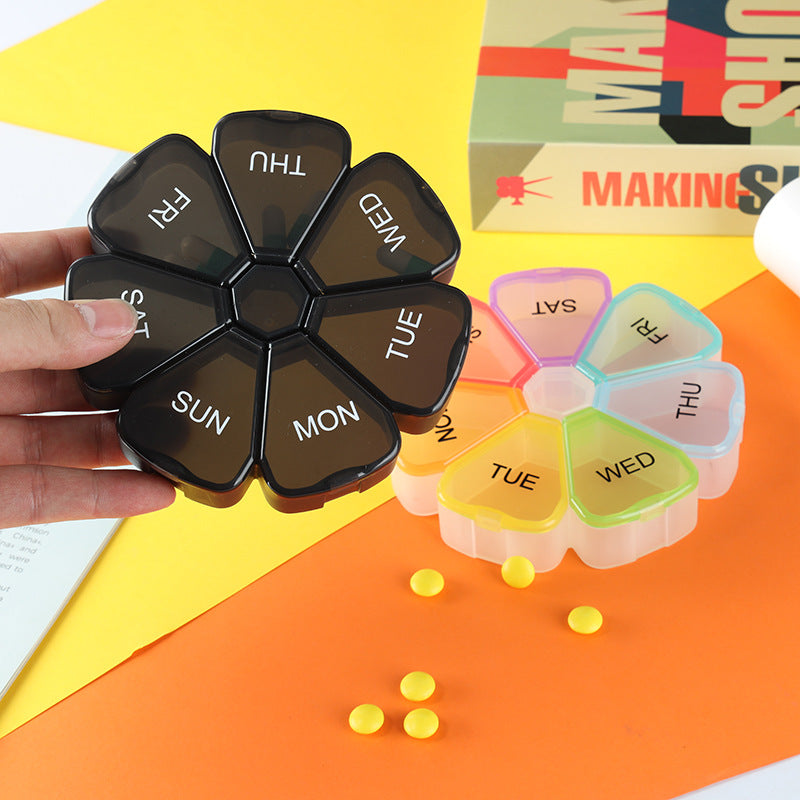
Consider using individual pill organizers with separate compartments for different medications. This approach combines the convenience of organization with the safety of keeping each drug isolated from others. Pill organizers that allow for compartmentalization are effective for maintaining dosage schedules without compromising medication safety.
Consult Healthcare Professionals
If there is uncertainty about the storage of specific medications, always consult a healthcare professional, such as a pharmacist or doctor. They can provide personalized guidance on safe storage practices and help ensure that medications remain effective throughout their use.
Alternative Solutions for Medication Management
Digital Medication Management Tools
Leverage digital tools and apps that offer reminders and management features without the need to physically combine pills. These platforms can provide alerts for specific medications, reducing confusion and enhancing compliance with prescribed regimens.
Create a Physical Pill Organizer System
Invest in a high-quality pill organizer that visually separates pills while keeping them in a consolidated space. This can facilitate the process of taking multiple medications without the risks associated with mixing them directly.
Regularly Review Medication Needs
Regularly review your medication list with your healthcare provider to ensure that the regimen is both necessary and optimized. Streamlining the number of medications, where possible, can simplify management without compromising health outcomes.
Conclusion
While mixing pills in the same container may offer simplicity, it's vital to consider the scientific implications and potential risks associated with this practice. Prioritizing proper storage and staying informed about the specific needs of each medication is essential in ensuring safety and effectiveness. By following recommended guidelines and adopting suitable organizational methods, individuals can successfully manage their medication regimens without compromising their health.