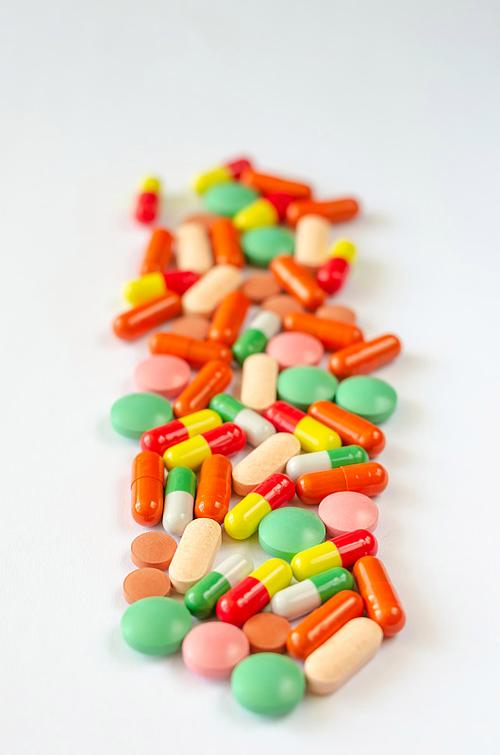


Don't take risks! Be careful when mixing pills!

In today's fast-paced world, many people rely on a variety of medications to maintain their health and treat chronic conditions. With the rising use of prescription drugs, over-the-counter medications, and supplements, properly managing medication is more crucial than ever. Understanding the potential risks associated with mixing pills is essential in preventing adverse reactions and ensuring optimal health.
The Complexity of Medication Management
Understanding Drug Interactions
Drug interactions occur when one medication affects the action of another. This can lead to unexpected side effects, reduced efficacy, or heightened drug effects that may pose serious health risks. It's essential to be aware of how different medications can interact with each other and with supplements or foods.
Recognizing High-Risk Scenarios
Certain groups, such as the elderly, those with multiple health conditions, or individuals taking multiple medications, are at increased risk of harmful interactions. High-risk scenarios often arise when new medications are introduced into an existing regimen. Consulting with healthcare professionals is crucial to anticipate potential interactions and adjust treatment plans accordingly.
Impact on Health Outcomes
Improper management of medication combinations can lead to adverse health effects, including diminished therapeutic benefits, increased side effects, and, in severe cases, life-threatening conditions. Ensuring that medications are taken in a safe and informed manner is vital for maintaining overall health and achieving intended treatment outcomes.
Best Practices for Safe Pill Mixing
Consult Healthcare Professionals
The most reliable safety measure when mixing medications is consulting with healthcare professionals. Pharmacists and doctors can provide valuable insights into potential interactions and offer personalized advice. They can help you understand the implications of your medications and recommend safe alternatives if necessary.
Maintain an Updated Medication List
Keep an up-to-date list of all medications, including over-the-counter drugs and supplements. This list should be shared with healthcare providers during consultations to provide a comprehensive view of your medication regimen. An accurate medication list aids in identifying possible interactions.
Understand Medication Instructions
Always read medication labels and follow prescribed instructions carefully. Be aware of specific directions regarding timing, food interactions, and other considerations. If instructions are unclear, seek clarification from your healthcare provider to ensure you're administering drugs correctly.
Incorporate Digital Tools
Utilize digital tools such as medication apps and reminder alerts to monitor and manage your regimen. Many apps offer features to alert users of potential drug interactions and provide reminders for dosing schedules. Technology can be an indispensable aid in maintaining pill safety.
Review Regularly
Regularly review your medication regimen with your healthcare provider, particularly if there have been changes in your health or new medications introduced. Routine check-ins ensure that you are aware of any emerging risks and can make necessary adjustments promptly.
Avoiding Common Pitfalls
Mismatched Over-the-Counter Drugs
Over-the-counter medications can sometimes have interactions with prescription drugs. Simple cold medications, pain relievers, or even supplements can have potent effects when combined with other medications. Always disclose all substances you are taking to your healthcare provider.
Assuming Natural Means Safe
Herbal supplements and natural remedies are often perceived as safe, yet they can have strong interactions with prescription medications. Products like St. John's Wort or Ginkgo Biloba can alter the effects of pharmaceuticals, leading to unwanted or dangerous consequences.
Neglecting to Mention Supplements
Failing to mention supplements alongside prescribed medications can result in overlooked interactions. Dietary supplements can have significant pharmacological effects and may interfere with traditional medications. Ensure they are always included in your healthcare discussions.
Ignoring New Symptoms
Ignoring new or worsening symptoms can be detrimental. Any new health issues should be immediately communicated to your healthcare provider as they may be indicative of an adverse interaction. Prompt reporting can preemptively resolve risks and prevent severe outcomes.
Promoting a Culture of Safety
Educate and Empower Patients
Educating patients about the risks of mixing medications promotes safer health practices. Healthcare providers should empower patients with knowledge, encouraging them to take an active role in their health management.
Open Communication Channels
Maintaining open communication channels between patients and healthcare providers is critical. Patients must feel comfortable discussing concerns and asking questions about their medications. Transparent discussions foster trust and lead to informed decision-making.
Routine Check-Ups
Encourage regular medical check-ups to address potential issues before they escalate. Ongoing evaluation of a patient's health and medication regimen is a proactive strategy to ensure long-term well-being and safety.
Conclusion
Medications play an essential role in health management, yet the risks associated with mixing them should never be overlooked. By employing comprehensive management strategies and maintaining vigilance, patients can significantly reduce risks and enhance the efficacy of their treatment. Prioritizing safe drug interactions fosters improved health outcomes and a greater quality of life. Taking informed actions and seeking professional guidance is the cornerstone of responsible medication use.