

can i put different pills in the same bottle

Combining different pills in the same bottle is generally not advisable due to several important considerations, mainly revolving around safety, efficacy, and clarity. Here’s a detailed explanation:
### Identification Issues
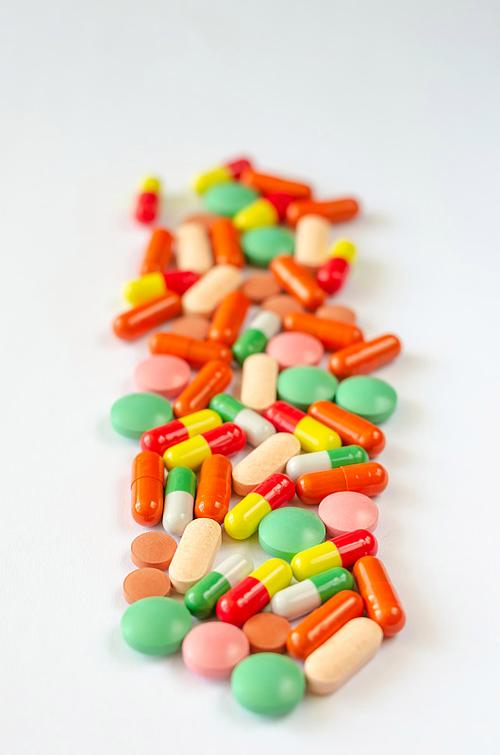
When different medications are placed together in a single container, there’s a high risk of misidentification. Many pills can look remarkably similar in shape, size, and even color, making it challenging to distinguish among them. This confusion can easily lead to medication errors, such as taking the wrong medication or incorrect dosages, both of which can have serious health implications.
### Dosage and Instructions Clarity
Each medication comes with specific instructions regarding its dosage and administration schedule. These details are usually provided on the original packaging or bottle, which helps ensure the patient adheres to the prescribed regimen. When medications are mixed together in one container, it becomes difficult to follow these critical instructions, increasing the risk of non-compliance or overdosing.
### Chemical Interactions and Stability
Certain medications may be chemically incompatible when stored together. Some drugs require specific storage conditions to maintain their efficacy and stability, such as protection from light, moisture, or specific temperature ranges. Mixing drugs in the same bottle could compromise these conditions and lead to decreased effectiveness or even harmful chemical reactions. For example, desiccants included with some medications could be absorbed incorrectly by other pills, altering their intended properties.
### Allergies and Sensitivities
Patients with allergies or sensitivities to specific medications or ingredients may face heightened risks if pills are mixed. Accidentally taking a medication that contains an allergen can trigger harmful reactions. Keeping pills in their original containers helps prevent such mistakes by allowing patients to quickly identify and avoid allergens.
### Risk of Contamination
Transferring pills between containers or mixing them can increase the risk of cross-contamination. Unintended exposure to environmental factors such as dirt or oils from hands can compromise medication hygiene, potentially leading to spoilage or bacterial growth, which can affect the medication's safety and effectiveness.
### Legal and Compliance Considerations
Pharmaceutical regulations often require medications to be dispensed and stored in specific ways to ensure patient safety. Mixing medications might violate these guidelines and lead to issues with compliance. Pharmacies and healthcare providers follow strict protocols to ensure that medications are dispensed correctly, with comprehensive labeling that includes expiration dates, dosing information, and warnings.
### Emergency Situations
In emergency situations, clear identification of medications is crucial. Whether for a healthcare professional looking to verify a current prescription during a medical emergency or for family members aiding a patient, having medications in their original bottles with legible labels can provide quick and essential information. This can be lifesaving when minutes count.
### Accountability and Record-Keeping
Maintaining medications in separate bottles allows for better accountability and accurate record-keeping. Patients and caregivers can easily track which medications have been taken and when. This practice helps in avoiding double-dosing and ensures medications are taken consistently as prescribed.
### Recommendations
To ensure medication safety and effectiveness, it’s advisable to:
- **Keep medications in their original containers**: This preserves the integrity of the drug and keeps labeling information intact.
- **Use a pill organizer carefully**: If you need to pre-sort pills for convenience, use a pill organizer with compartments labeled by day of the week and time of day. Ensure you cross-reference with the original packaging.
- **Consult healthcare providers**: Always discuss any changes or concerns with a doctor or pharmacist. They can provide guidance on the proper handling and storage of medications.
- **Maintain a medication list**: Keep an updated list of all medications, dosages, and administration schedules. This can help manage treatment plans effectively and is useful during medical appointments.
In conclusion, while it may seem convenient to save space or effort by merging pills into a single container, the risks far outweigh the potential benefits. Adhering to best practices for medication storage and management can prevent adverse effects and ensure that therapies are as effective and safe as possible.